top of page

What Is Reiki?
Understanding Energy Healing and How It Works

Begin learning more about Reiki
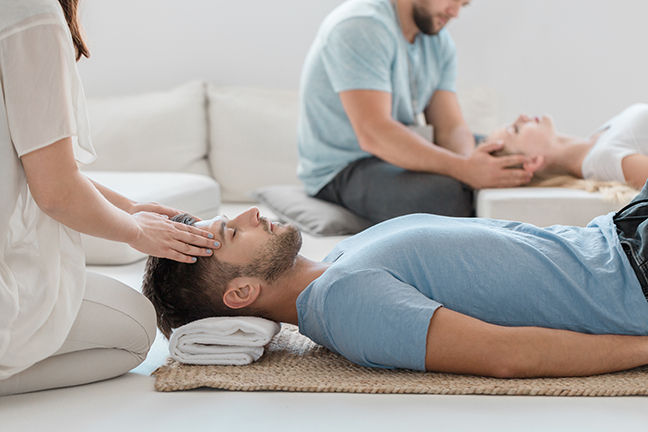
Reiki is a gentle Japanese healing practice that promotes deep relaxation, stress relief, and a sense of overall well-being. It is based on the understanding that a life force energy flows through the body, and when this energy is balanced, we feel more centered, energized, and at ease. Reiki supports this natural flow, helping restore balance and vitality.


A brief definition of Reiki as a Japanese energy healing practice
that promotes relaxation, stress reduction, and balance.
Reiki is a Japanese energy healing practice that promotes relaxation, reduces stress, and supports balance and overall well-being. It is gentle, non-invasive, and designed to work alongside everyday life — offering support during moments of stress, transition, or healing. At its core, Reiki recognizes that a vital life force energy flows through us and influences how we feel physically, emotionally, and mentally. When this energy is supported and allowed to flow more freely, many people experience greater ease, clarity, and resilience.
A gentle practice with practical benefits, Reiki has become widely known for its ability to:
-
Encourage deep relaxation
-
Support stress reduction and emotional balance
-
Reduce tension and discomfort
-
Promote a sense of calm and well-being
Because Reiki is subtle and adaptable, it can be practiced by people of all ages and lifestyles. It does not require belief or effort — only openness to rest, breathe, and receive.
The Meaning of Reiki (Rei + Ki)
The word Reiki (霊気) comes from two Japanese characters:
Rei (霊) (sounds like 'ray') - Often translated as universal wisdom or higher awareness, Rei refers to a guiding intelligence or consciousness beyond the physical — the aspect of awareness that brings clarity, insight, and alignment.
Ki (気) - (sounds like 'key') Ki refers to life force energy — the subtle vitality that animates all living things. It is the same concept recognized across cultures, often described as chi, prana, or breath of life.
Together, Reiki can be understood as guided life force energy — a practice that supports balance, awareness, and natural well-being.
Before Reiki Had a Name
Long before energy could be measured or named, it was felt. Across ancient cultures, people understood that something unseen moved through the body — influencing emotions, vitality, and health. This awareness came through direct experience: the warmth of hands, the rhythm of breath, and the steady beating of the heart. Healing was not viewed as mechanical but as a way to restore balance, coherence, and life force within the whole person. Sound, rhythm, vibration, and gentle touch were used as practical tools to calm the mind, regulate the nervous system, and support the body’s natural ability to restore balance. Drumming, chanting, bells, gongs, spoken words, and intentional touch were woven into daily life as methods of care and connection.
Reiki’s Roots and Modern Practice
Reiki emerged from this long tradition — not as something new, but as a refined and intentional system for working with energy that humanity has always known. Reiki was developed and refined in Japan by Mikao Usui, who became well known for his healing work. In 1922, he established the first Reiki clinic and school in Tokyo to ensure the practice could be taught, preserved, and shared. Today, Reiki is practiced worldwide. In the United States alone, there are tens of thousands of Reiki practitioners. Reiki is offered in more than 1,000 hospitals, and over 30,000 nurses incorporate Reiki and related touch therapies into patient care to help reduce pain, anxiety, and stress.
A Practice for Modern Life
Reiki continues to evolve as a supportive practice for modern living — meeting people where they are and offering simple tools for balance, awareness, and resilience. Whether used for personal well-being, shared with others, or integrated into professional settings, Reiki invites us to slow down, listen, and reconnect with the natural rhythms that support health and healing.
Begin Your Reiki Journey
Understanding Reiki is the first step. Experiencing it is the next. While reading about Reiki can provide clarity, the practice itself offers something more personal — a direct awareness of calm, balance, and connection. Reiki is designed to be learned in a straightforward, practical, and supportive way for everyday life. If you feel curious about how Reiki works in your own hands, learning Reiki allows you to move from receiving its benefits to actively participating in them. Through training, you gain simple tools you can use for yourself and, if you choose, share with others. Reiki is not reserved for a select few. It is accessible, teachable, and adaptable — meeting you exactly where you are. When you’re ready, explore how you can begin learning Reiki and bring this practice into your daily life.
Try these wonderful resources
Want to learn more about Reiki
bottom of page